Foreign Policy
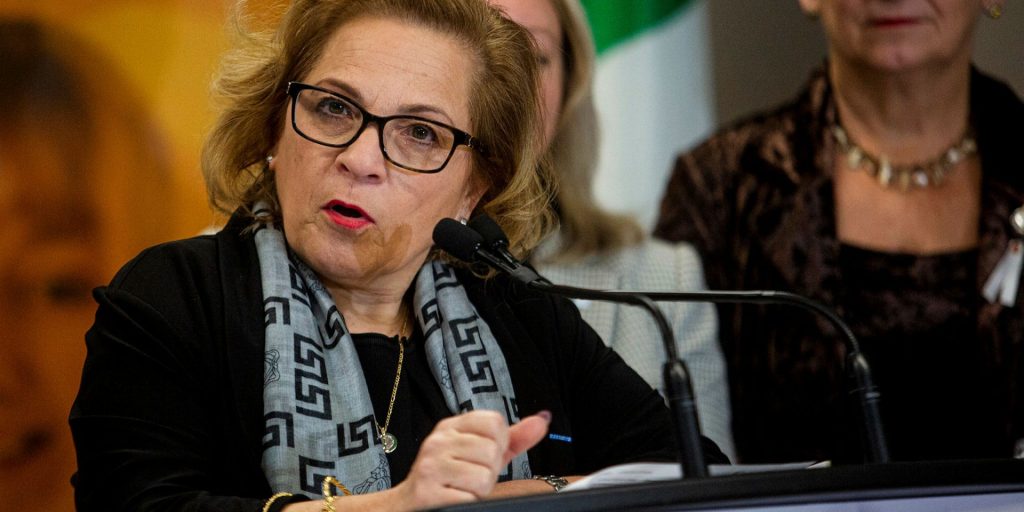
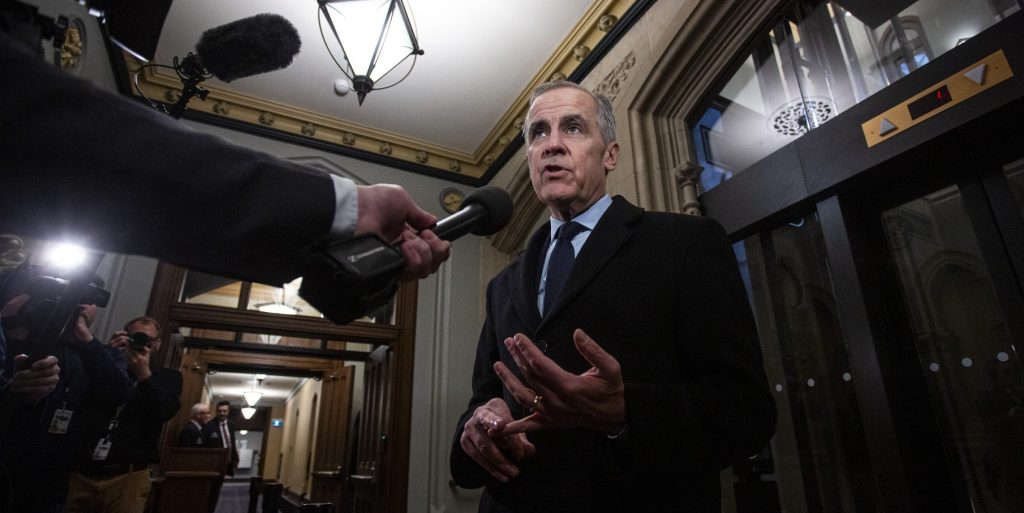
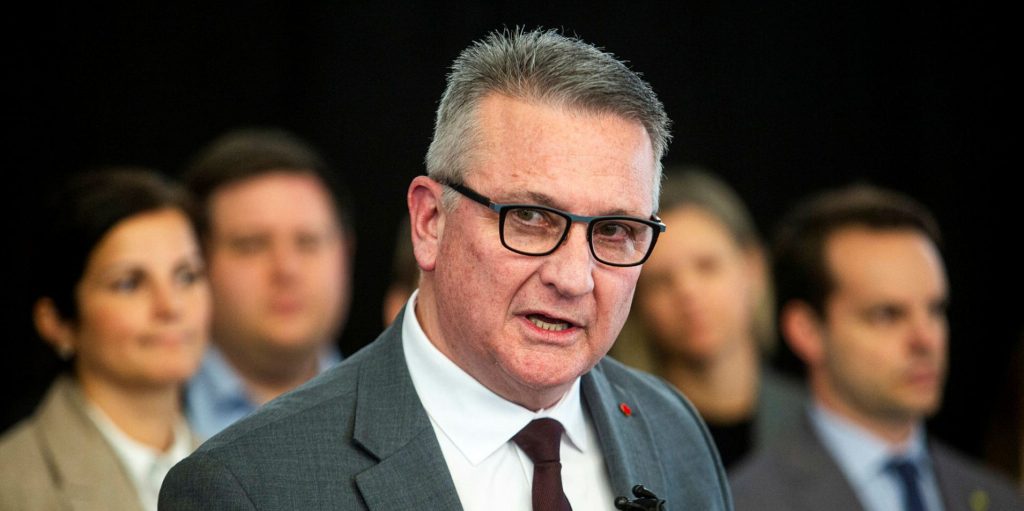
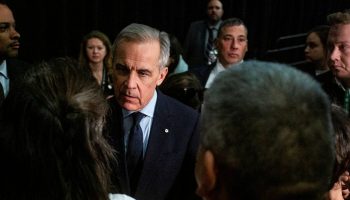
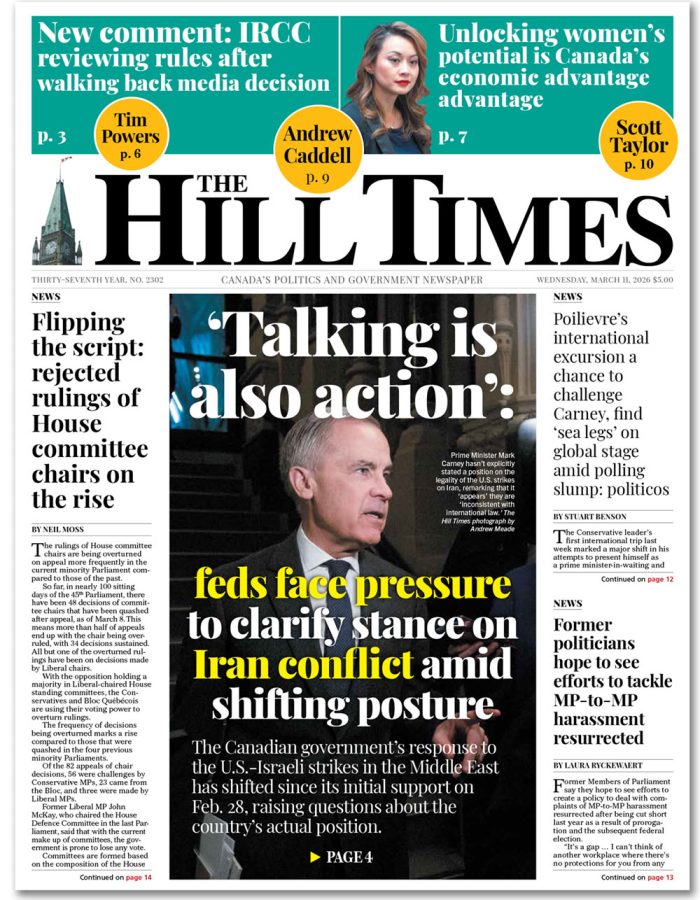
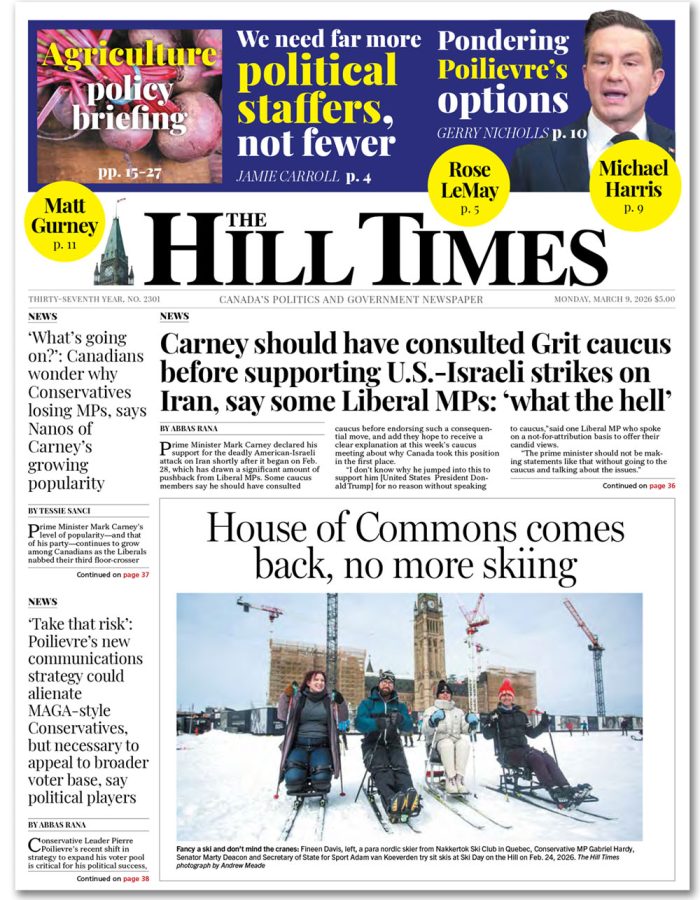
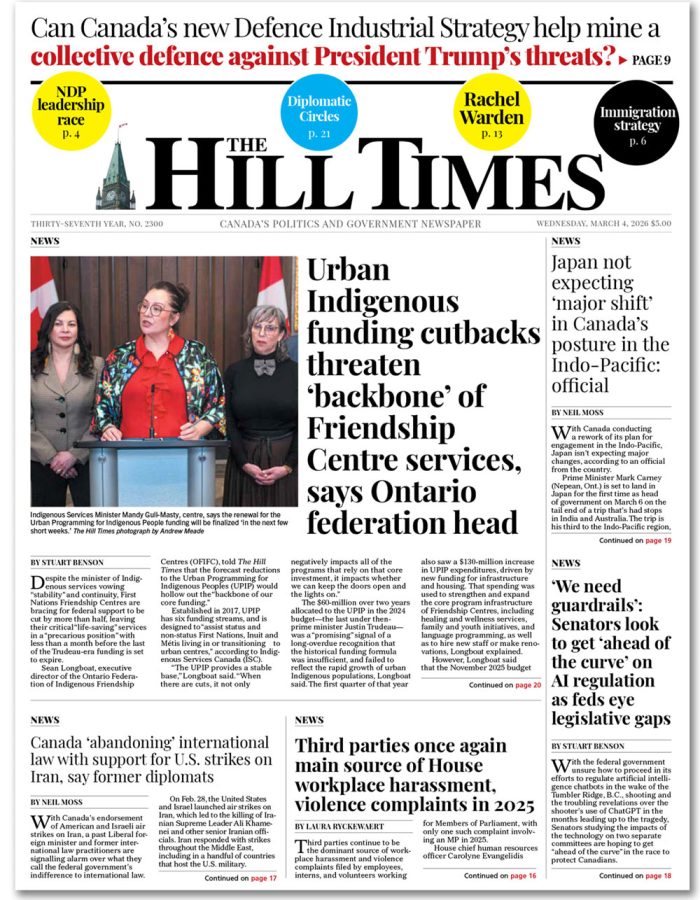
- 'A flagrant breach of the core provision of the UN Charter is no cause for celebration,' says former Liberal MP John McKay. 'If we all don’t adhere to those core provisions of the UN, then it’ll be chaos.'
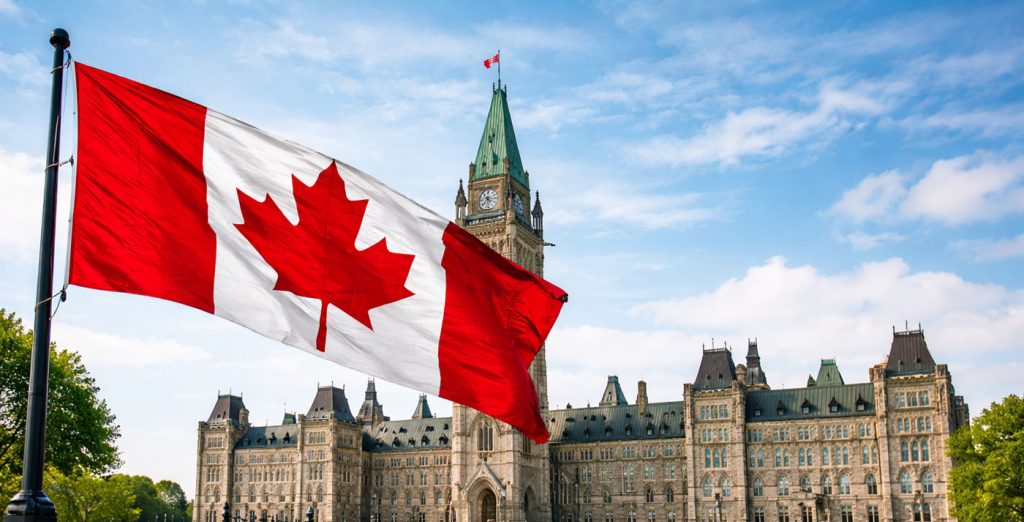
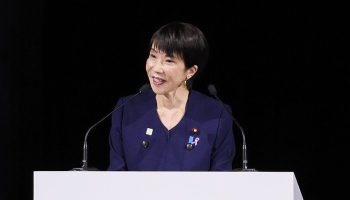
- Japan’s largest business organization paid an early-December visit to Canada, underscoring the strong determination to deepen economic ties between the two countries.
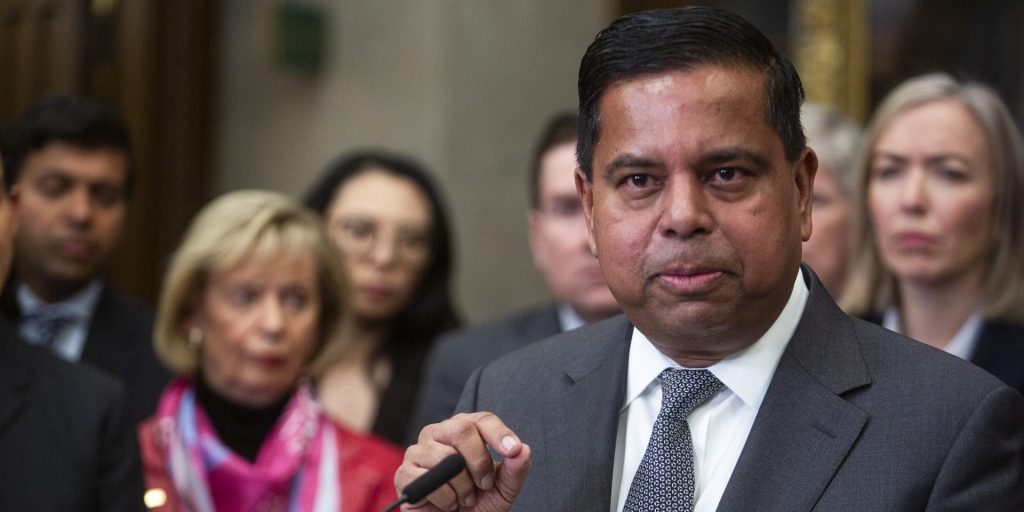
- The Carney Liberals have restricted access to asylum in Canada, reduced overseas refugee selection, paused private sponsorship, and further tightened admission of asylum seekers arriving via the United States.
Get The Foreign Policy Newsletter
The key issues and people influencing Canadian foreign policy and diplomacy. Thursday.
By entering your email address you consent to receive email from The Hill Times containing news, analysis, updates and offers. You may unsubscribe at any time. See our privacy policy

- Russia’s economic trajectory is uncertain. Some analysts expect deterioration in 2026; others foresee relative stability. If Russia faces a downturn, a 'hurting stalemate' may emerge, creating incentives for compromise. But at present, no such ripe moment exists. The key question is whether Ukraine and the EU can wait long enough—and whether economic pressure on Russia can be paired with incentives that limit negative outcomes for both sides.