Mark Carney’s 50 shades of grey zones
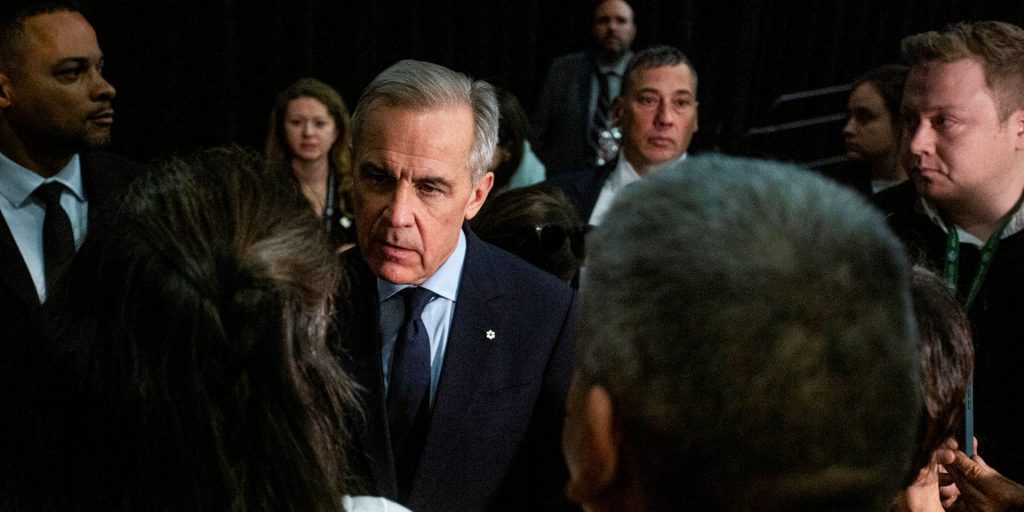
Mark Carney may believe calibrated alignment buys time and space. The risk is that, in a world of strategic realism, shades of grey can gradually harden back into dependency.
Main estimates set out $502.8-billion for 2026-27 as National Defence tops voted spending
National Defence’s $48.4-billion represents the biggest ask of the $230.4-billion set to be voted on by MPs, with five more departments seeking approval for more than $10-billion.
Carney’s cold calculation
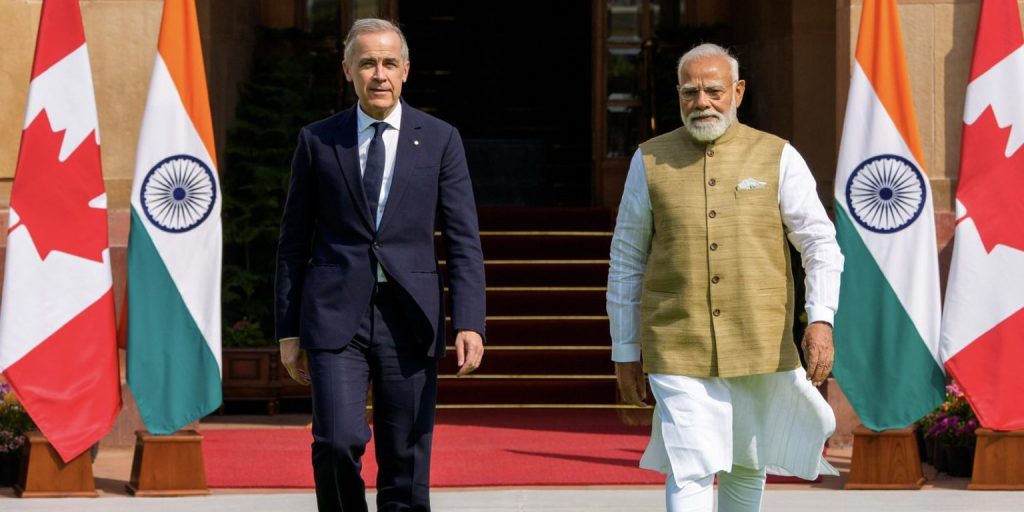
No matter what the unnamed government official said, we can be fairly certain that there are agents of the Indian government who could pose a direct and credible threat to Sikh Canadians.
Can Carney reconcile his Davos goals with complicity in the Iran war?
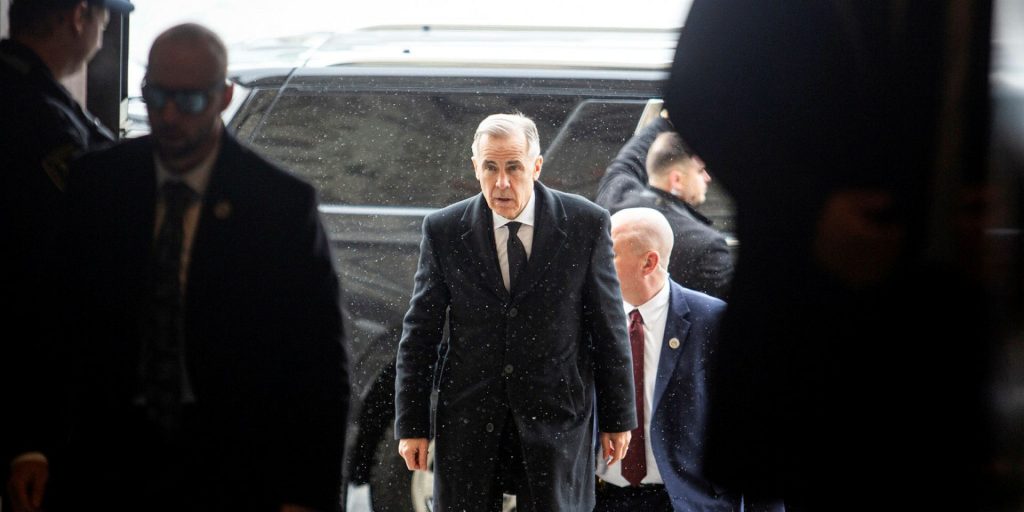
The prime minister is a highly accomplished man and has already established himself in world leadership ranks. He now needs to elevate the soft power of diplomacy over the hard power of militarism.
Mining a collective defence against Trump’s threats

If the U.S. wants a reliable, non-Chinese source of tungsten for its arms industry, Canada should invest in securing a domestic supply for all of our NATO allies.
Feds’ defence industrial strategy promises much potential for Canada, but it will need public and private-sector champions
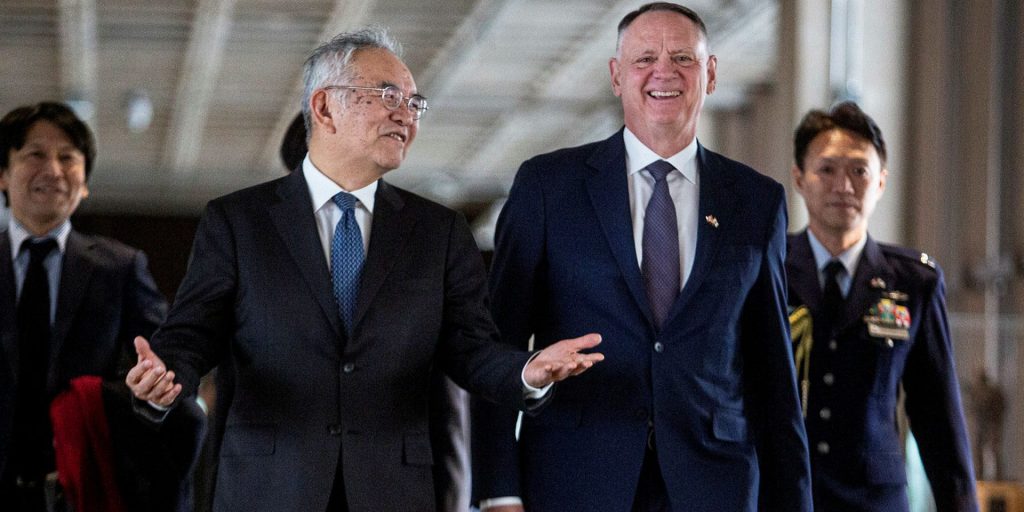
Increases in federal R&D spending and new initiatives through the Bureau of Research, Engineering and Advanced Leadership in Innovation and Science—BOREALIS—are important. The strategy also promises $4-billion in new venture funding through the Business Development Bank of Canada.
Drug cartels put Mexican government on notice
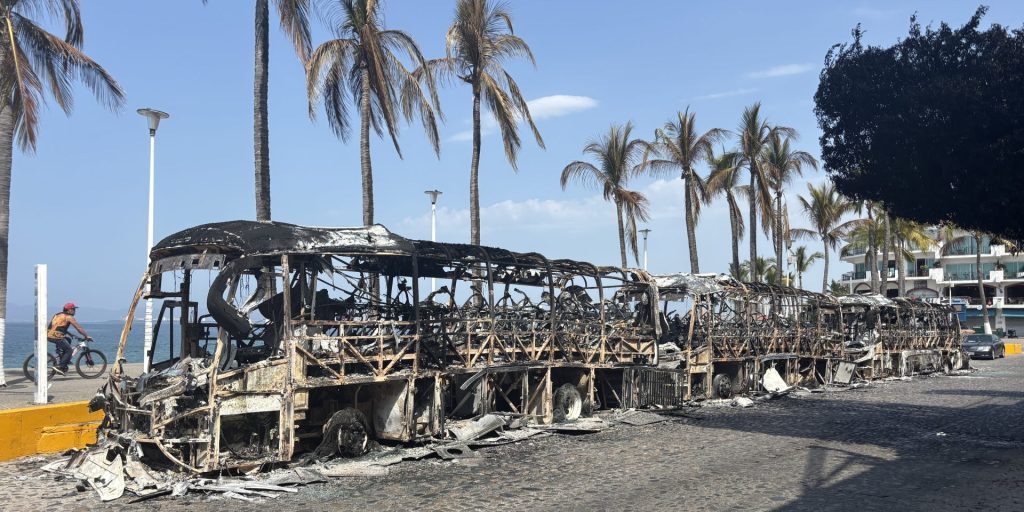
The cartel’s intention is to damage tourism so it hurts the government. That puts them in a better position to negotiate a truce where drugs flow without political impediment.
‘A fundamental shift’: new strategy an opportunity to grow domestic industrial base, say lobbyists
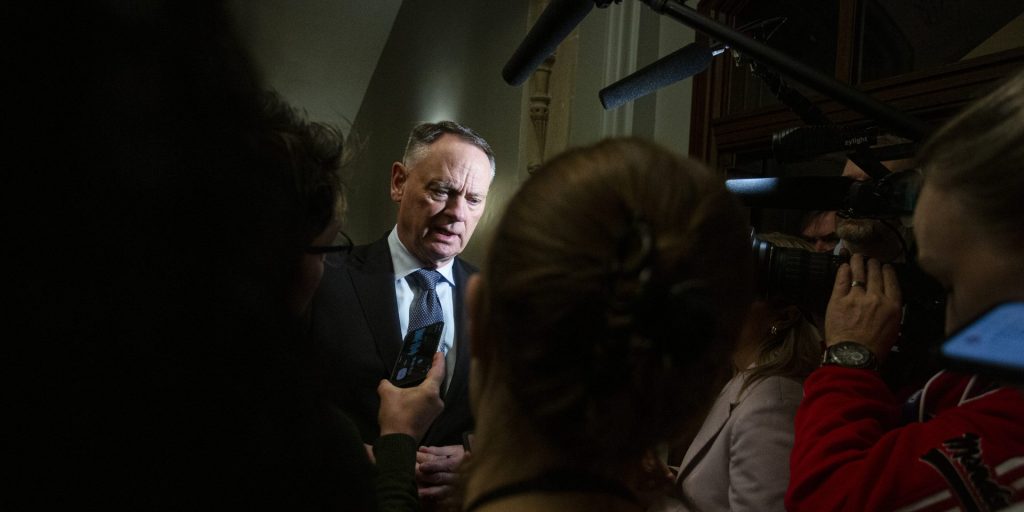
‘The amounts of money that are being talked about here between now and 2035 are truly transformational,’ said Duncan Hills, a senior adviser on defence and security at NorthStar Public Affairs.
Carney should call for extradition of Indian officials linked to Nijjar killing, says ex-Liberal minister Dhaliwal
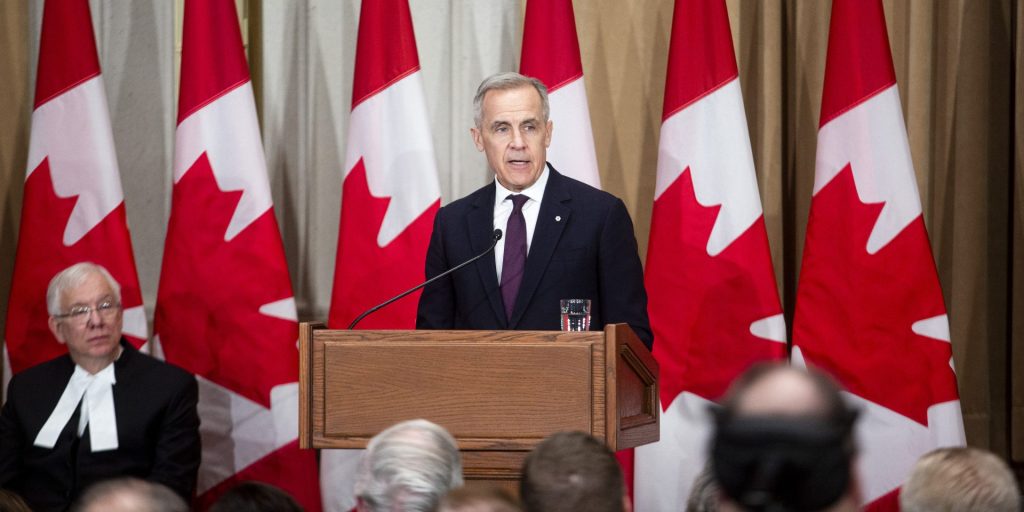
‘We can’t abandon our Canadian values for trade purposes,’ says former Chretien-era Liberal cabinet minister Herb Dhaliwal
Jobs, guns, and the GDP: selling defence as economic policy
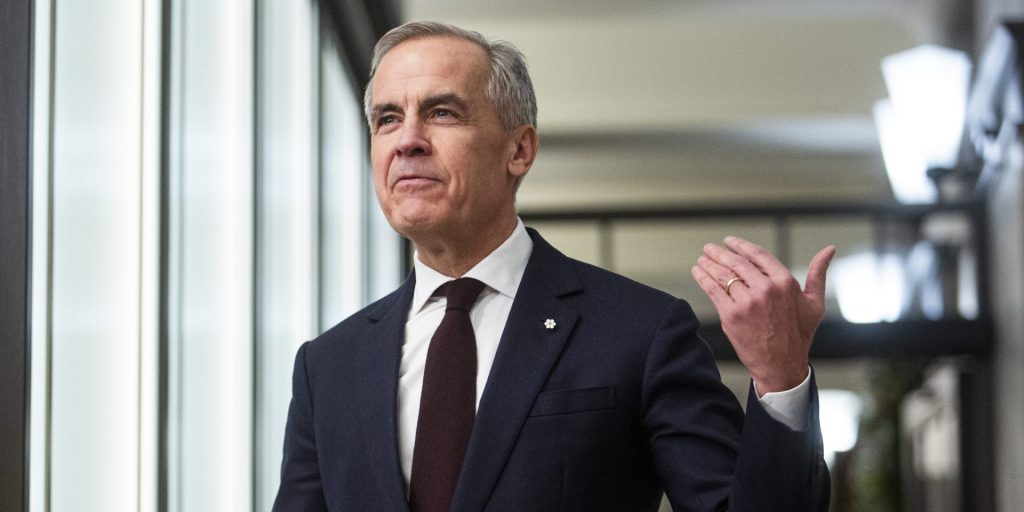
Carney’s Defence Industrial Strategy may deliver short-term gains, but it could compromise long-term policy and economic coherence.