Wednesday, March 11, 2026

Canada’s Politics and Government News Source Since 1989

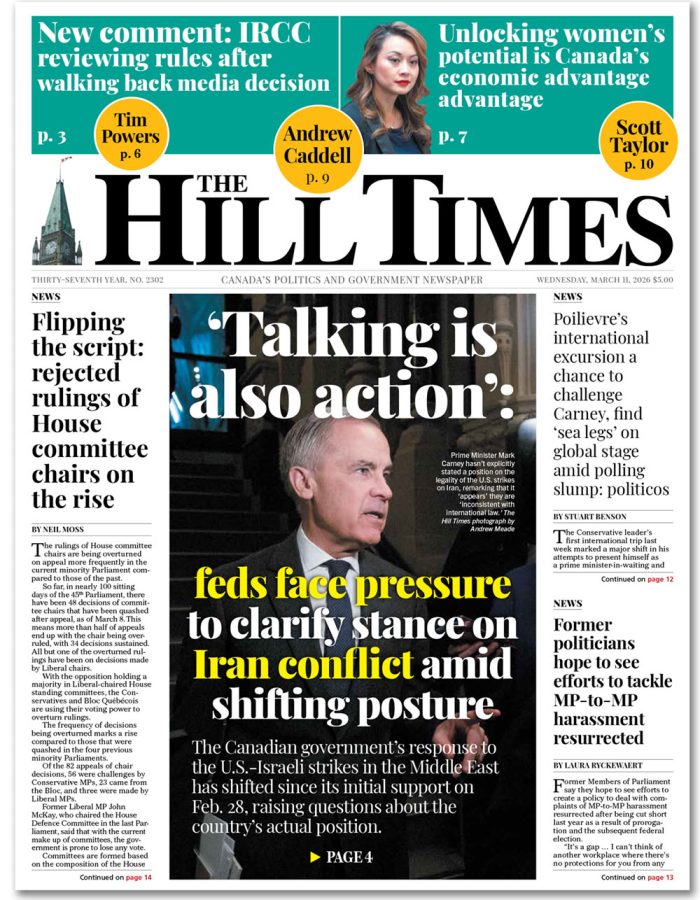
Wednesday, March 11, 2026 | Latest Paper

Opinion | Columnists

Donald Trump
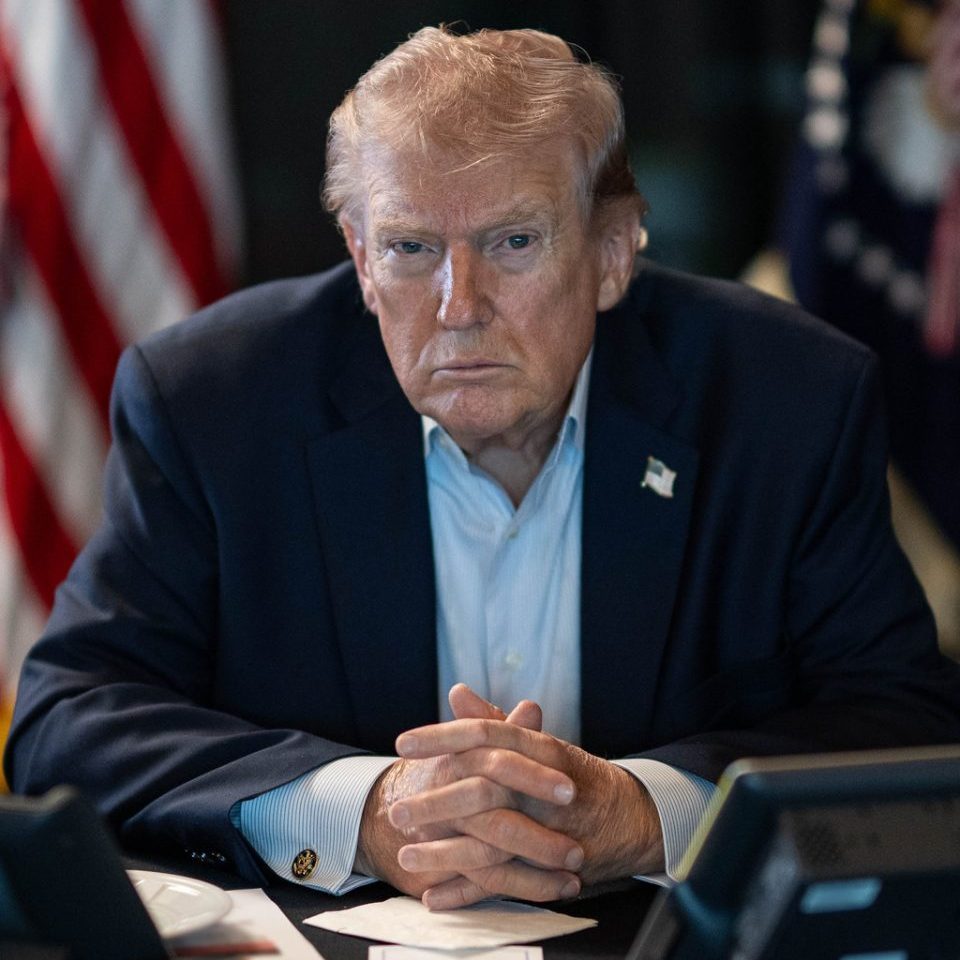
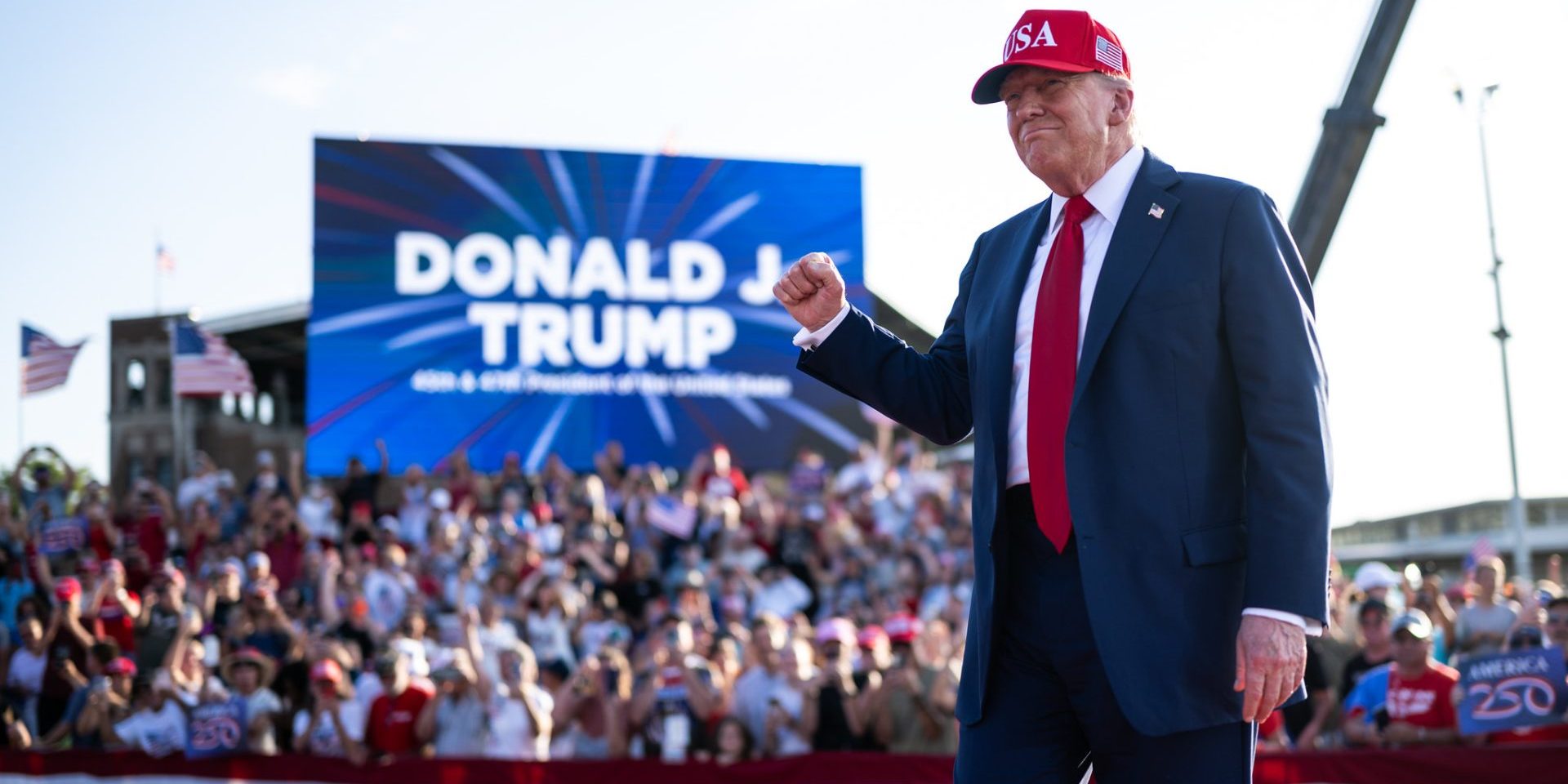
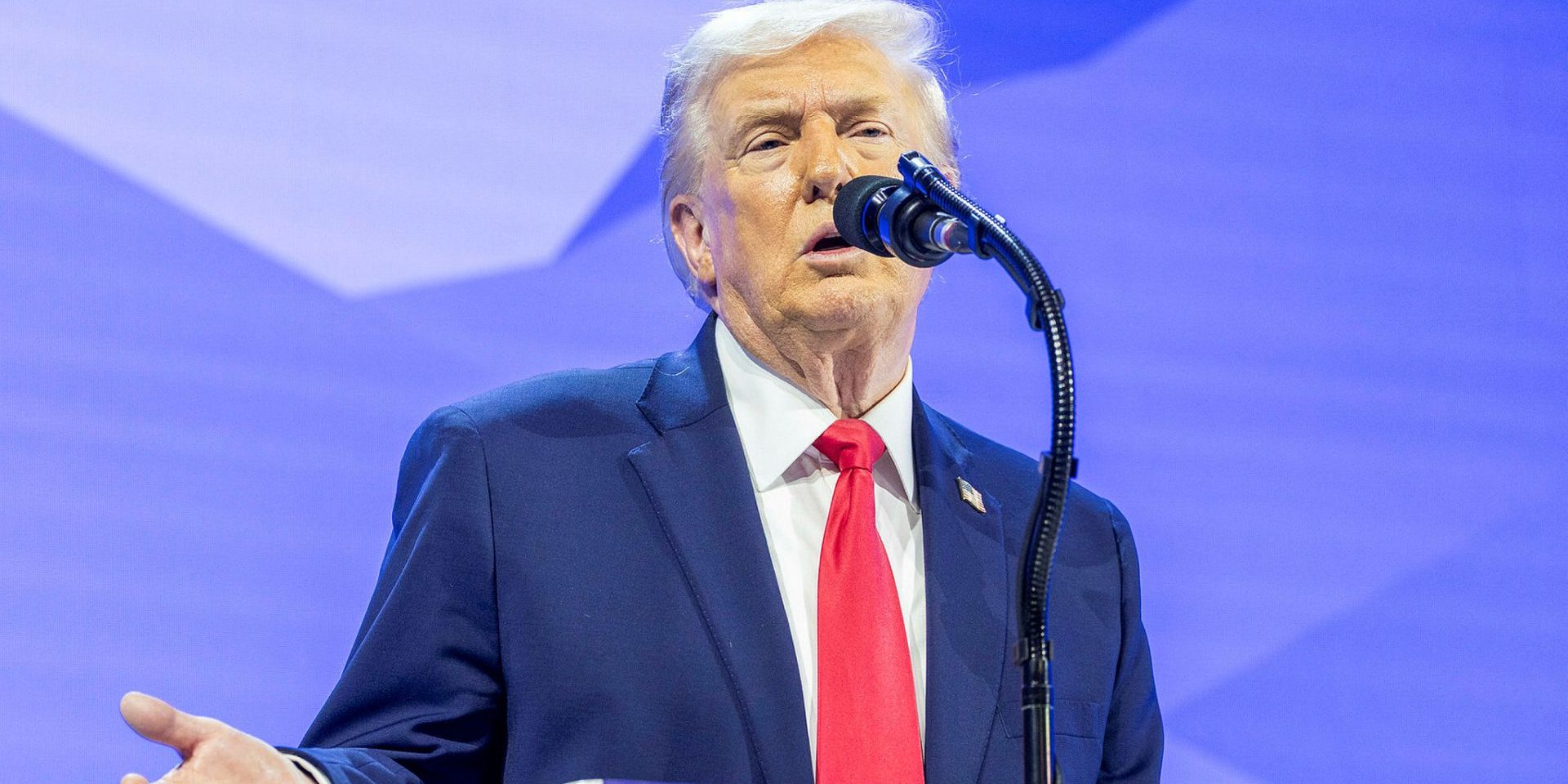
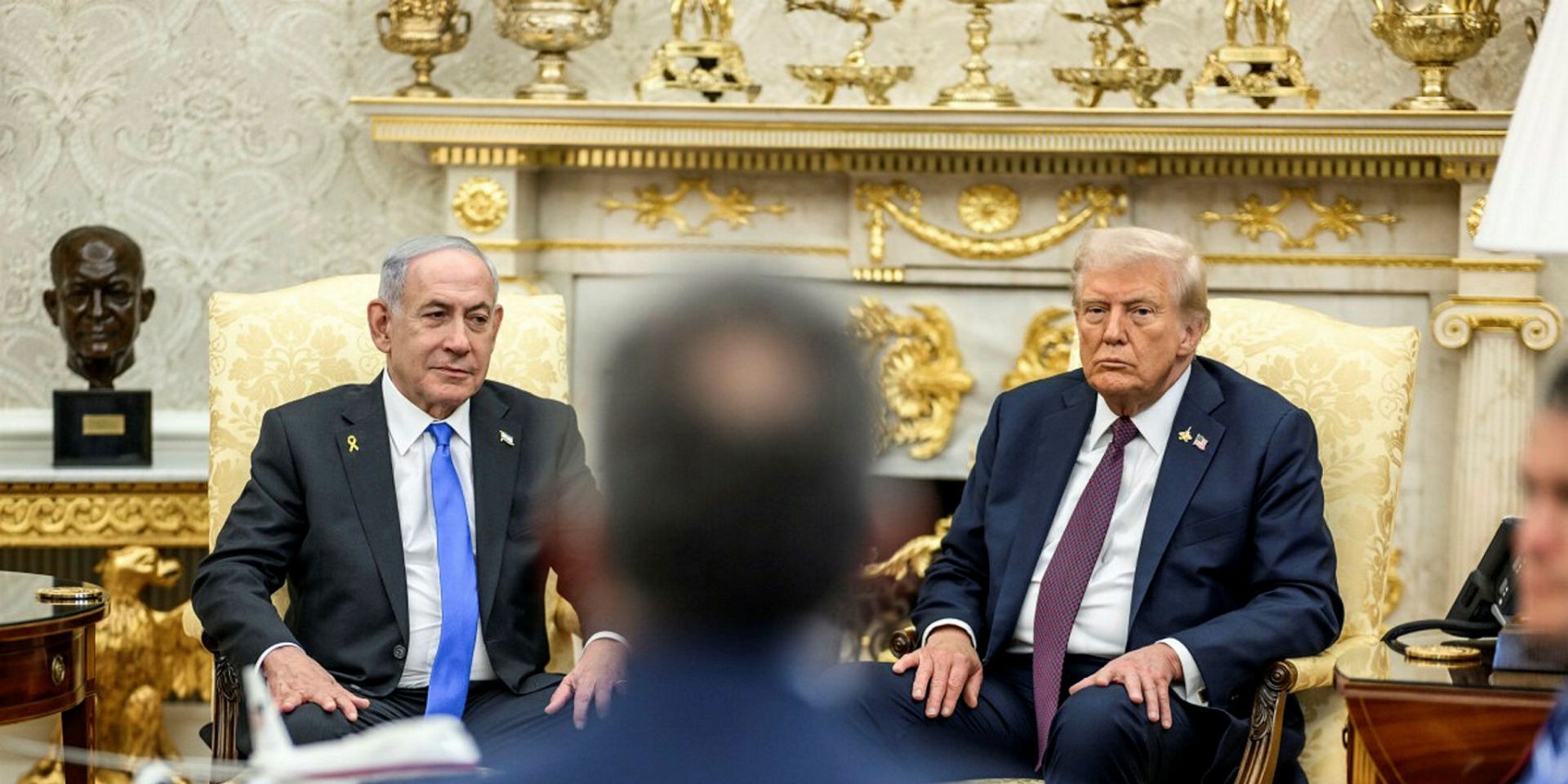
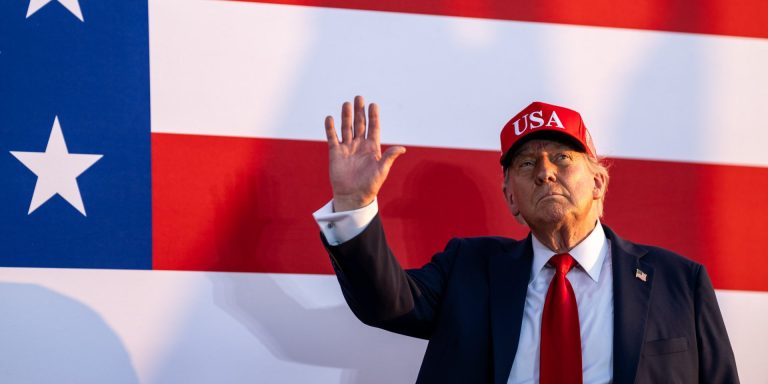
The launch of a widening regional war by U.S. President Donald Trump without a compelling justification has underscored the vulnerability of relying on the U.S. for security and economic well-being for 75 years, writes Les Whittington. White House photograph by Daniel Torok
As it weighs Bill C-12, the Senate can guide Canada toward the nearest offramp rather than inch us further along the U.S.’s path, write Ketty Nivyabandi and France-Isabelle Langlois. The Hill Times photograph by Andrew Meade
Senator Rob Black of the Canadian Senators Group is shown here in Willow Creek, Alta., while on a study for the Standing Senate Committee on Agriculture and Forestry’s soil health study in August 2023. Last year, he introduced Bill S-230, the National Strategy for Soil Health Act. Photograph courtesy of the Senate of Canada
NDP MPP Sol Mamakwa recently drove with five other MPPs from Toronto across Ontario to Manitoba on Highways 11 and 17 to prove a point about how dangerous these highways are. At least six people have died since mid-December on Highway 11, and there have five fatal collisions in the last five days on the two highways, combined. Photograph courtesy of Wikipedia/Creative Commons
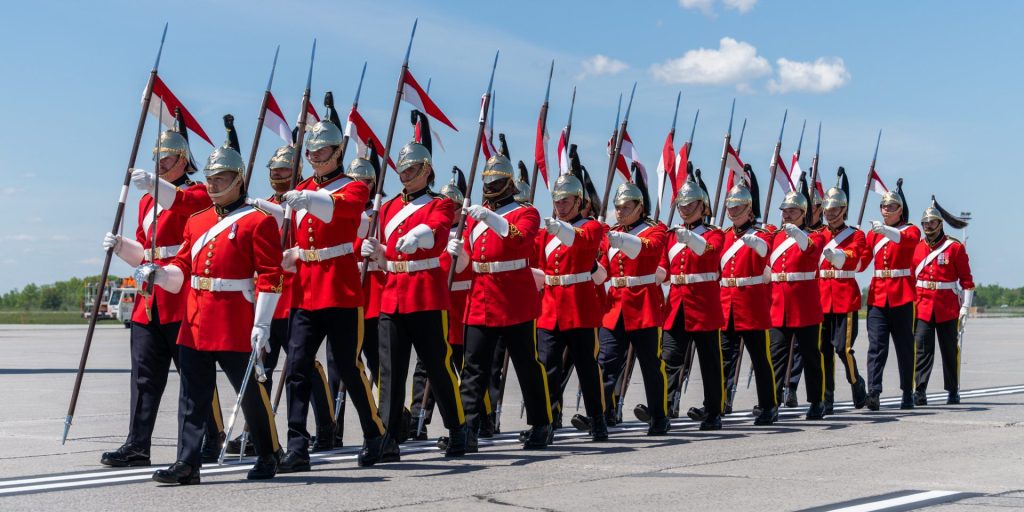
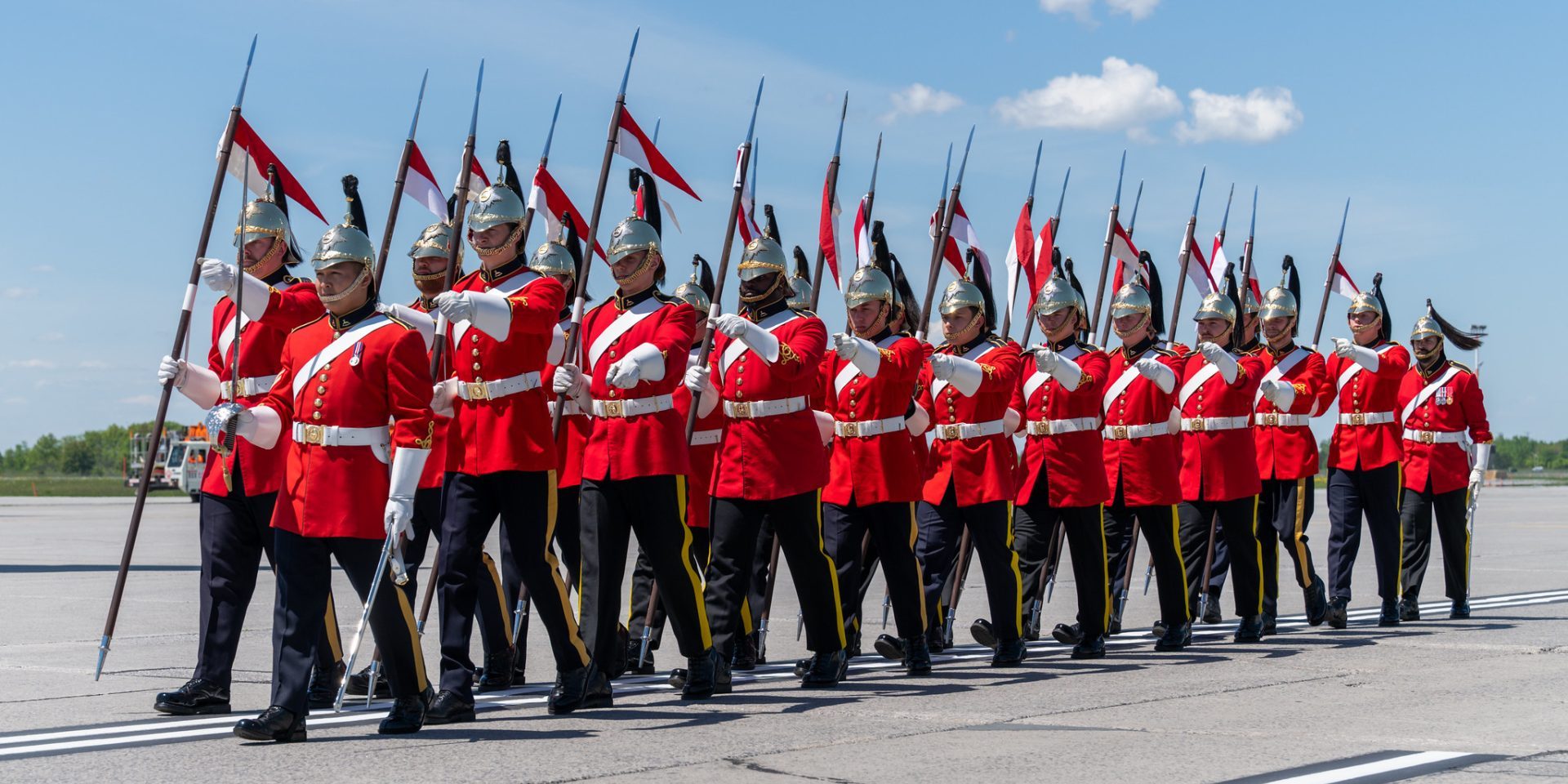
The institution rightfully prides itself on its traditions, but regiments, like The Royal Canadian Dragoons, should no longer be named after cavalry regiments, writes Scott Taylor. DND photograph by Corporal Antoine Brochu
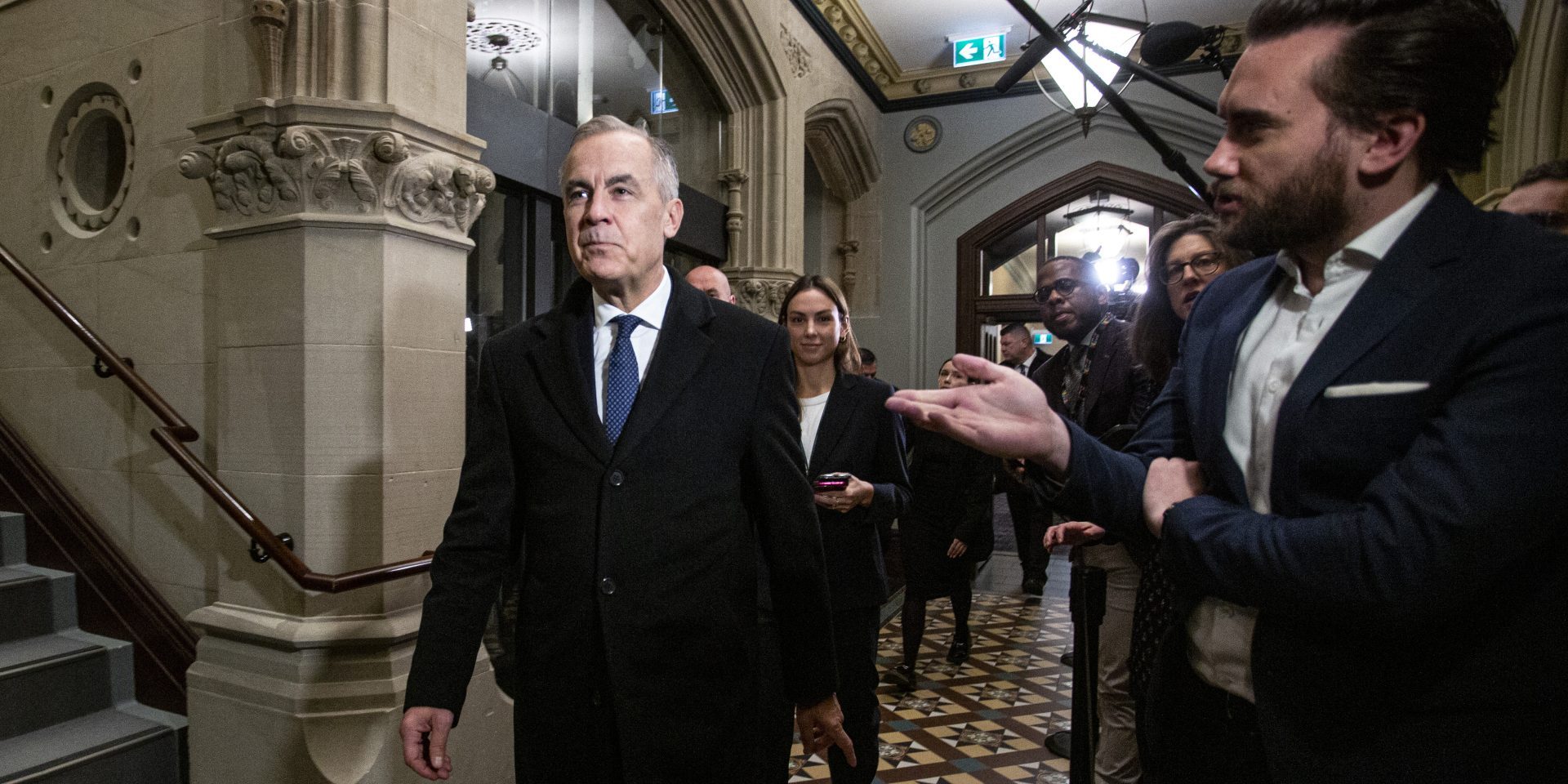
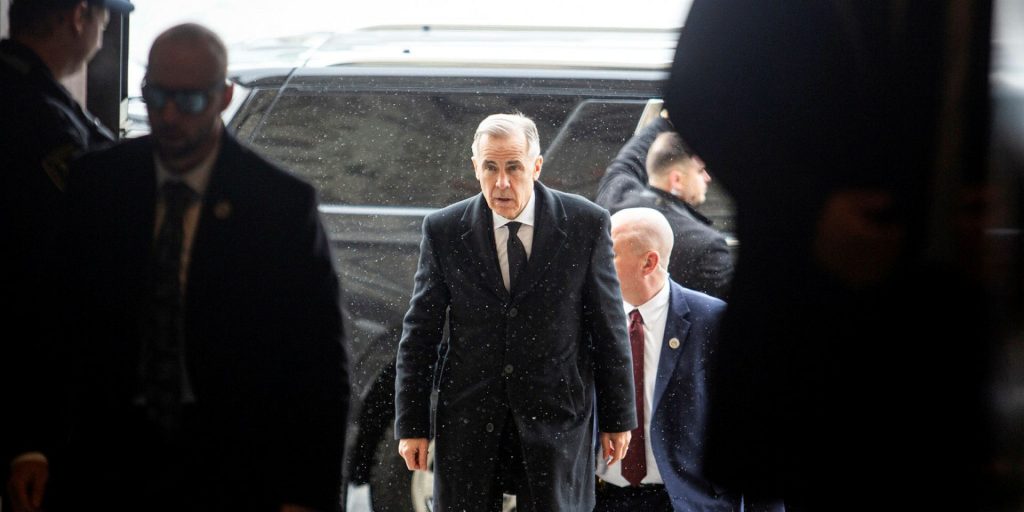
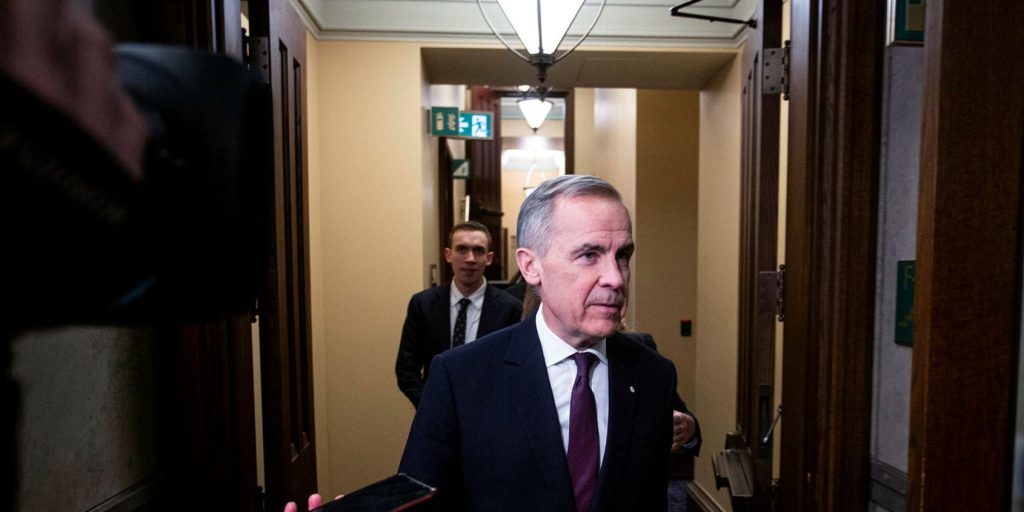
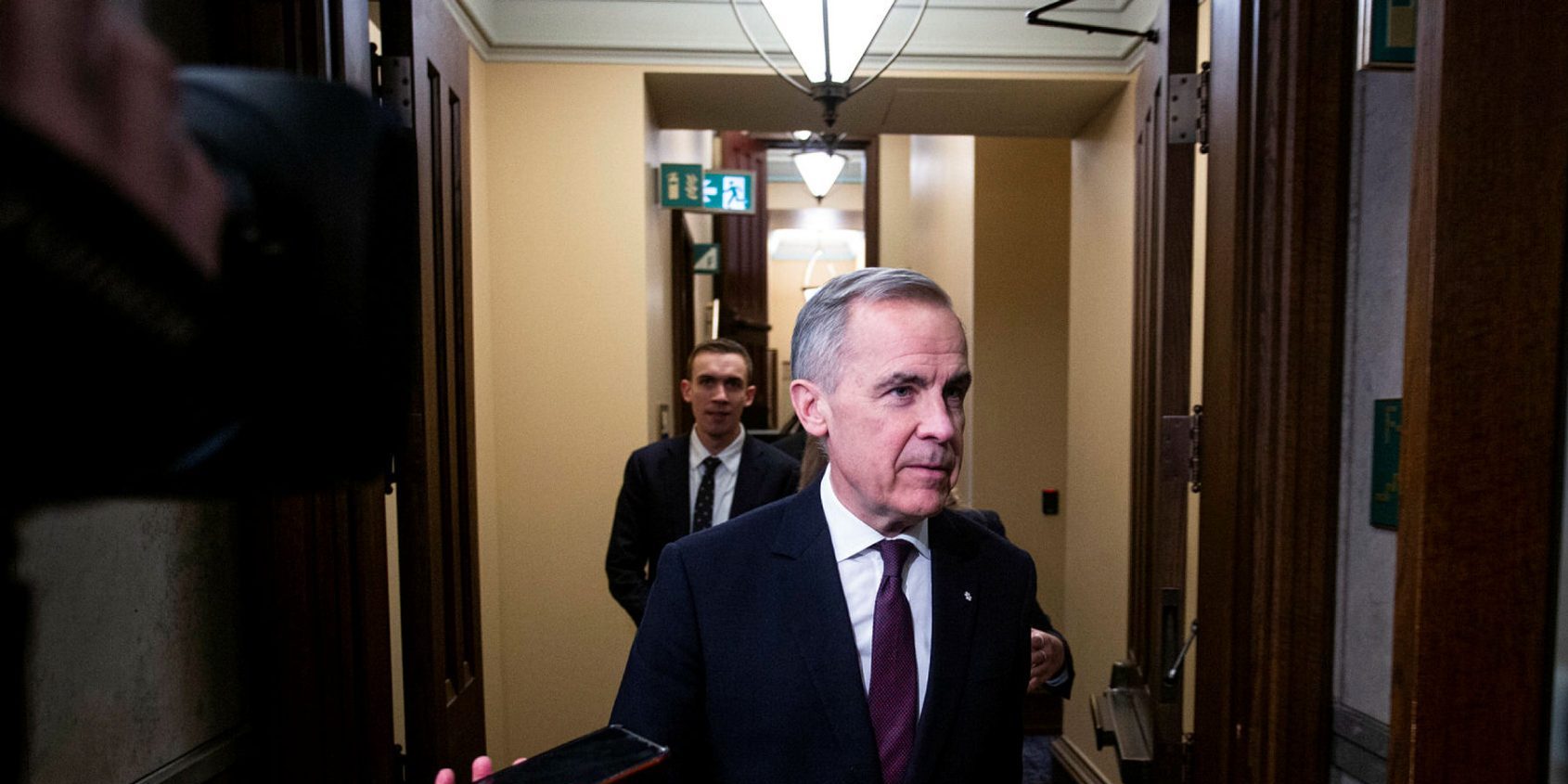
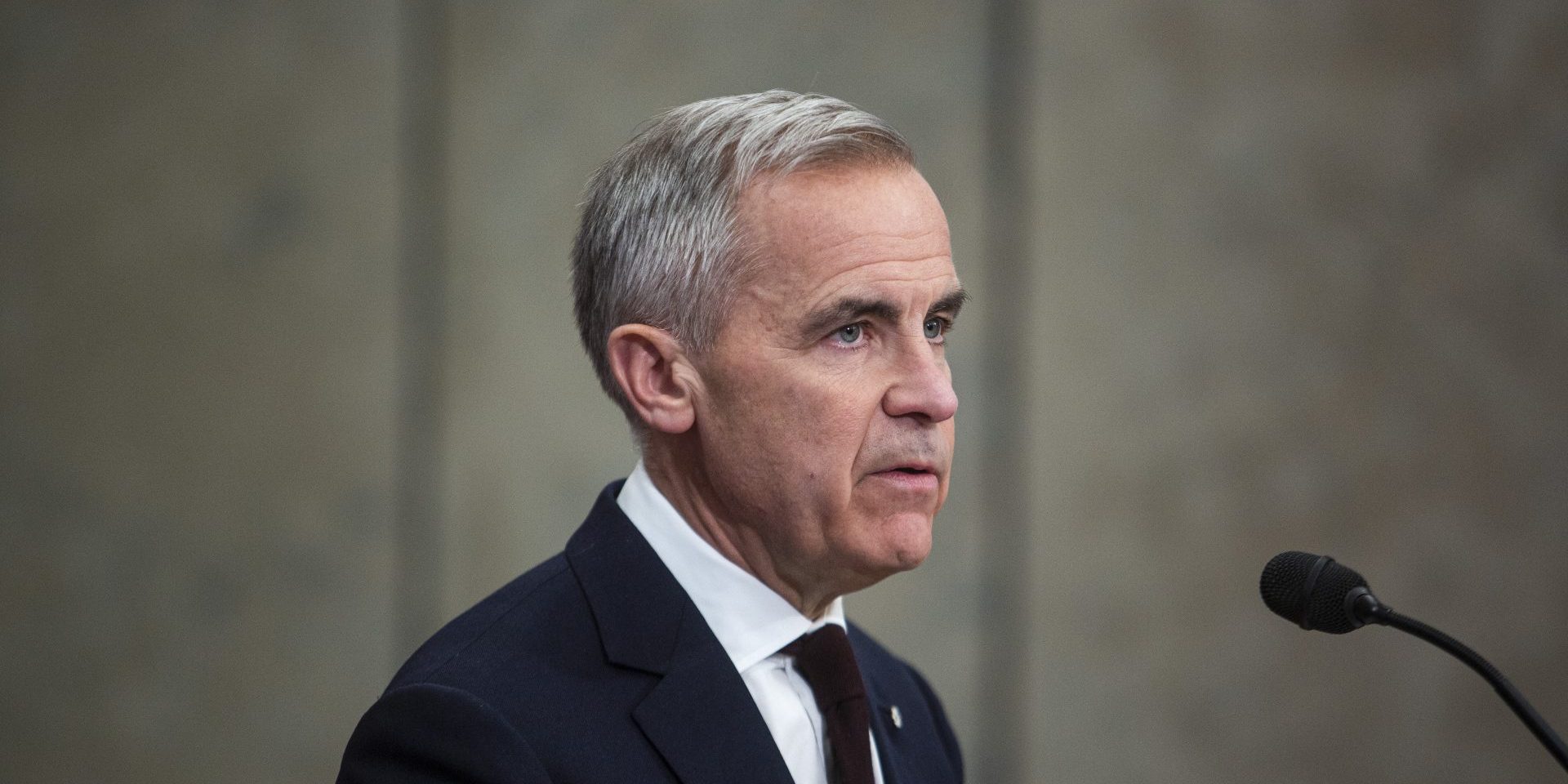
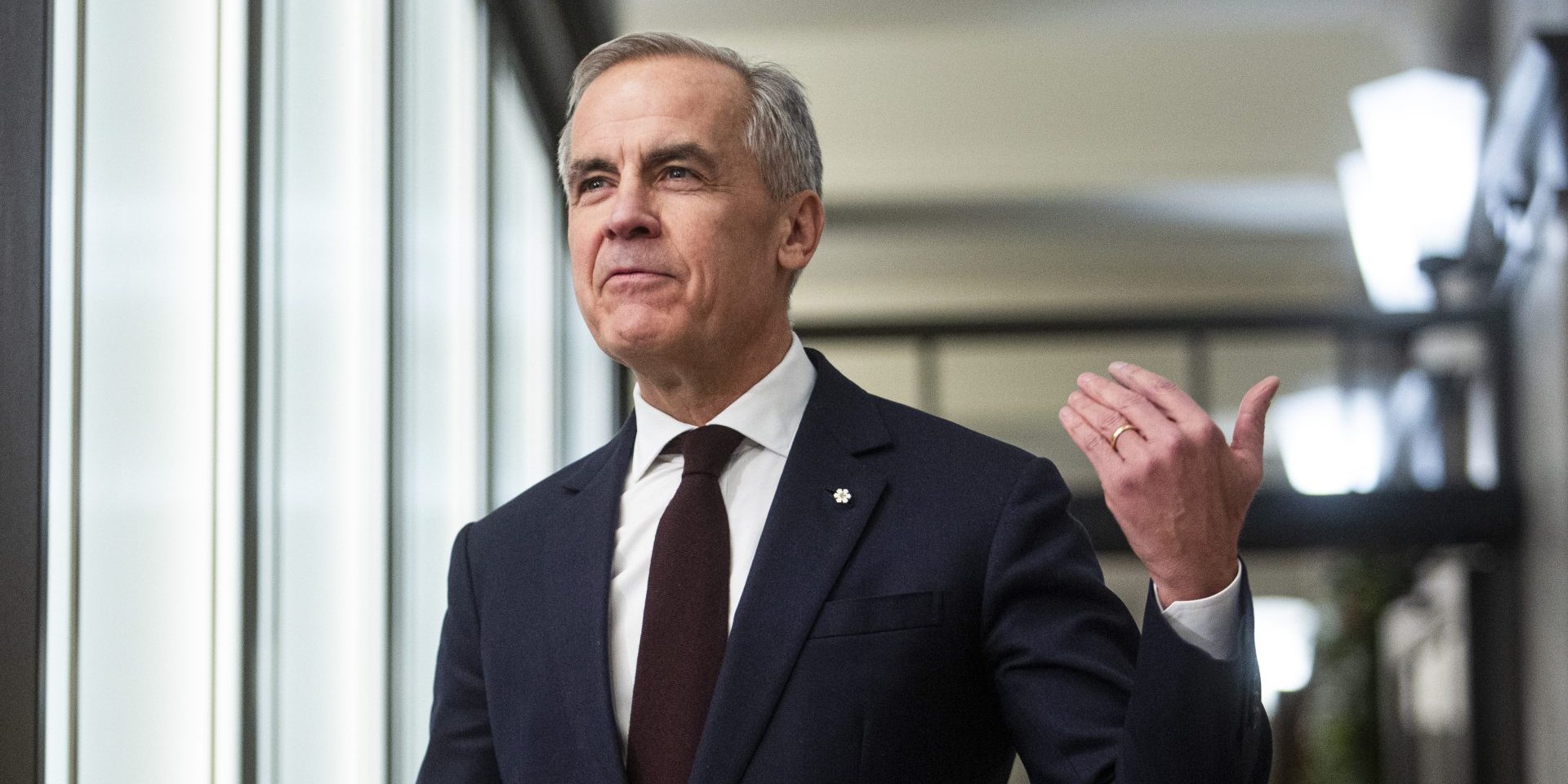
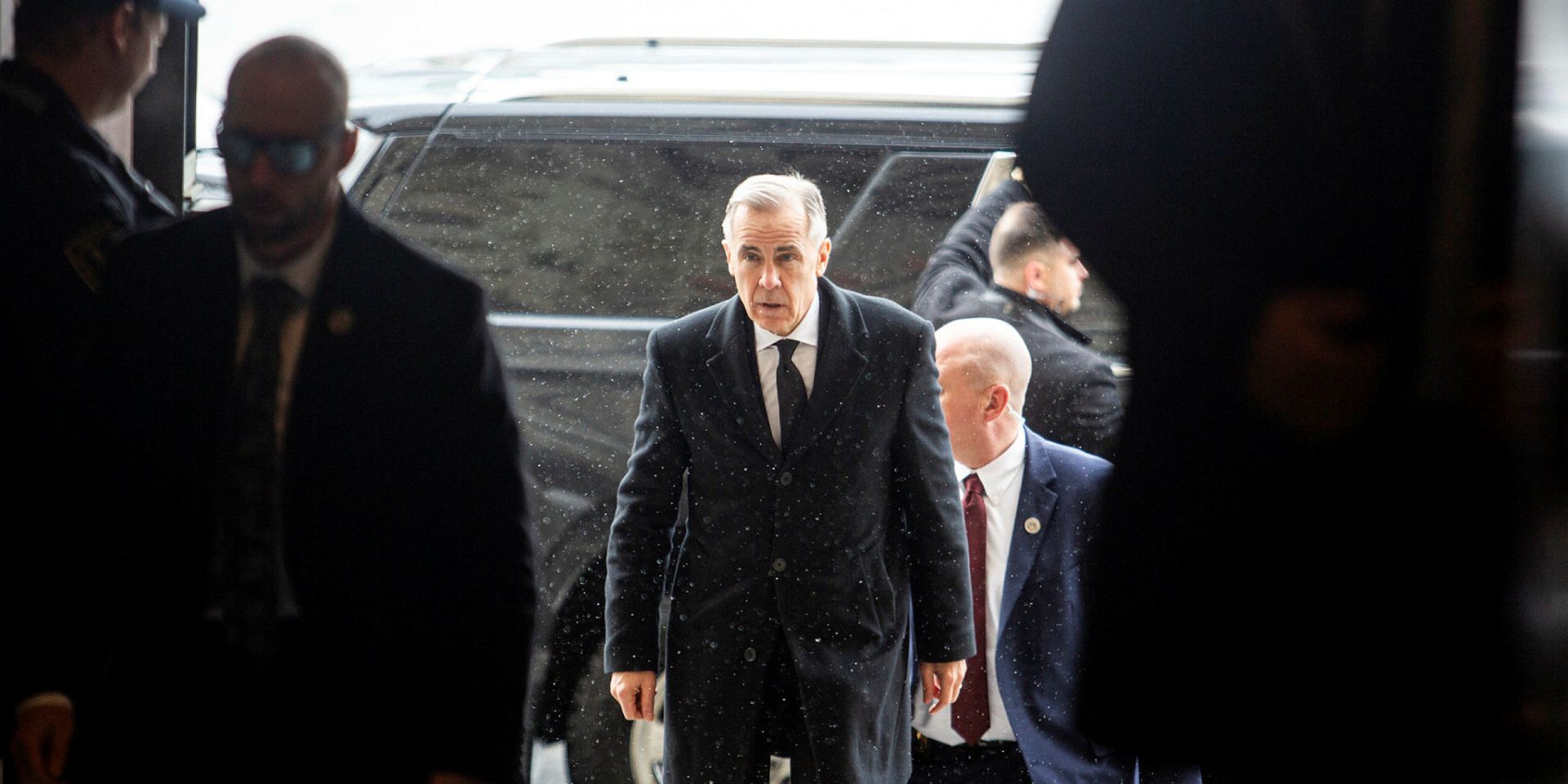
Prime Minister Mark Carney first refused to weigh in the legality of the American-Israeli intervention, claiming that was a judgment for others to make. He subsequently clarified his comments, saying the attack appears to be a prima facie case of breaking international law. The Hill Times photograph by Andrew Meade
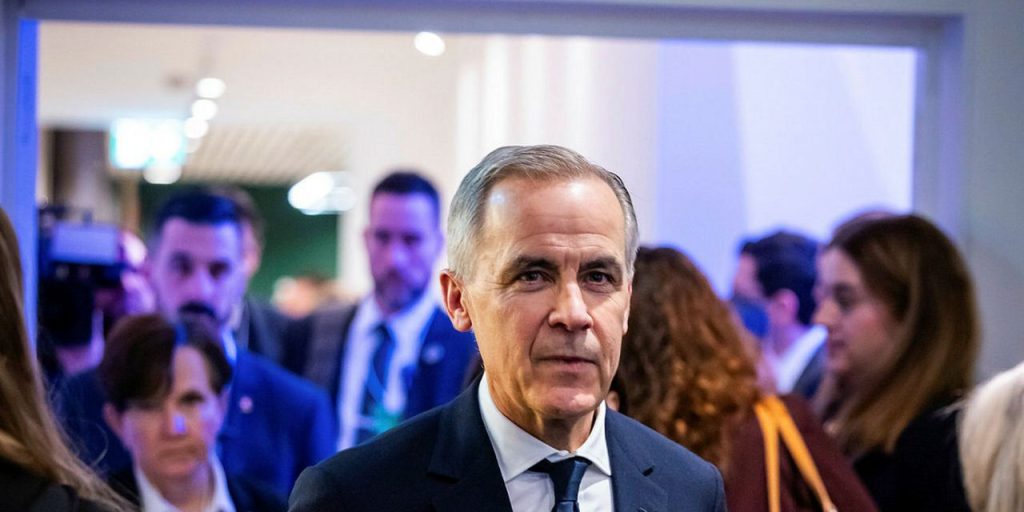
Prime Minister Mark Carney’s response to war in the Middle East has so far seemed hasty, morally queasy, intellectually convoluted and—attempts at clarification, notwithstanding—continues to be deeply disappointing to many Canadians, writes Susan Riley. Photograph courtesy of the World Economic Forum/Ciaran McCrickard
The goal, Prime Minister Mark Carney said, is to raise Canadian goods and services exports to China—from nearly $40-billion annually now—by 50 per cent, or $20-billion, by 2030. While one purpose in his visit was to address trade irritants, the real purpose was to reset after many years of diplomatic deep-freeze. The Hill Times photograph by Andrew Meade
Mark Carney's first unforced error as prime minister was giving his blessing to the U.S. military attack on Iran, writes Michael Harris. The Hill Times photograph by Andrew Meade
Donald Trump
The Israelis always knew that it wasn’t going to be a four-week war, and U.S. President Donald Trump’s people are reluctantly arriving at the same conclusion, writes Gwynne Dyer.  White House photograph by Molly Riley
Donald Trump
The launch of a widening regional war by U.S. President Donald Trump without a compelling justification has underscored the vulnerability of relying on the U.S. for security and economic well-being for 75 years, writes Les Whittington. White House photograph by Daniel Torok
Mark Carney
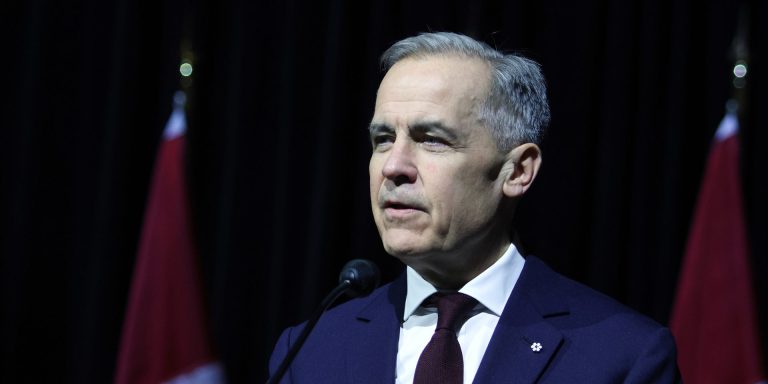
At some point, Prime Minister Mark Carney’s government will need to have cohesive responses to explain a solid strategy in the Middle East because right now they look like clowns, writes Erica Ifill. The Hill Times photograph by Andrew Meade
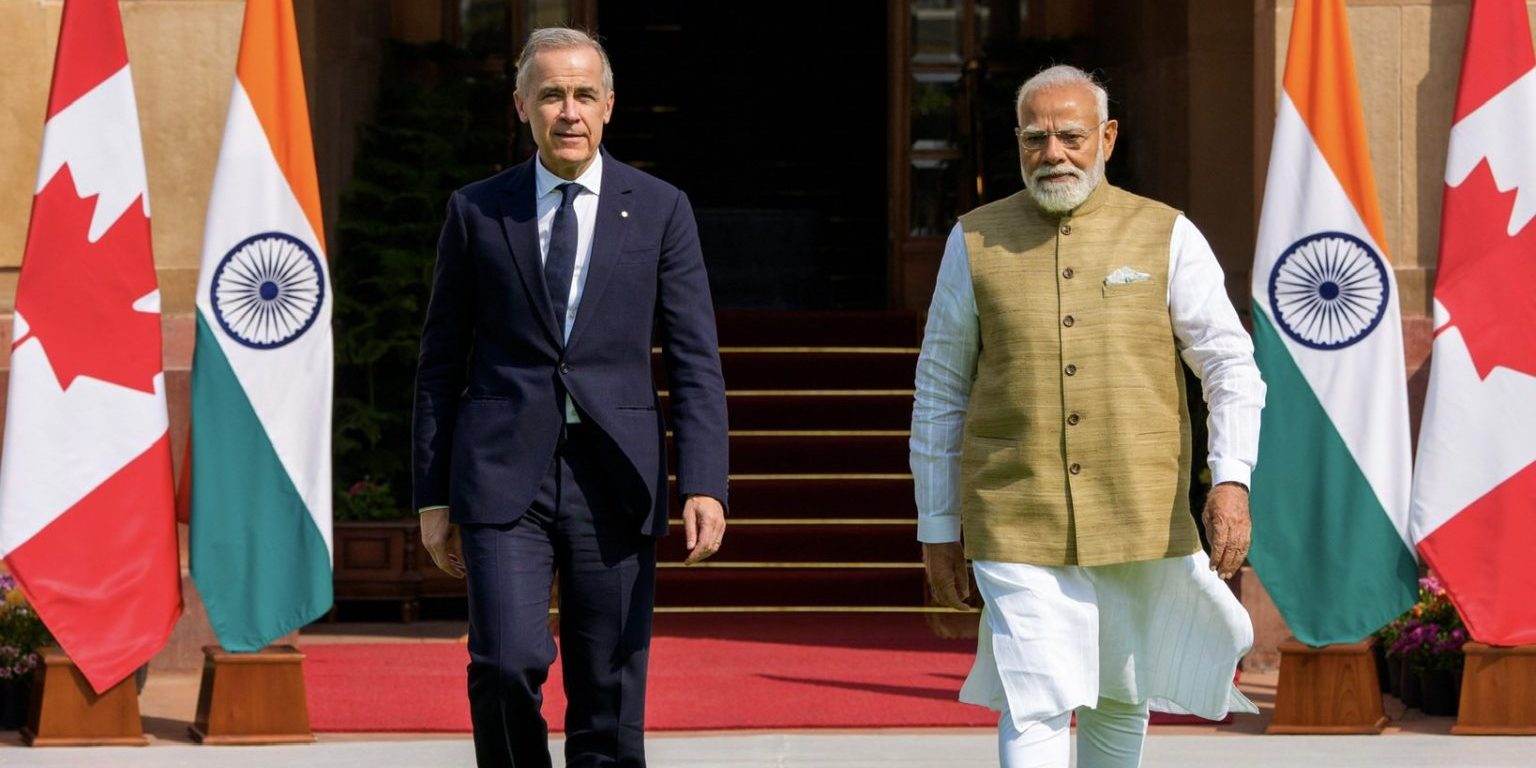
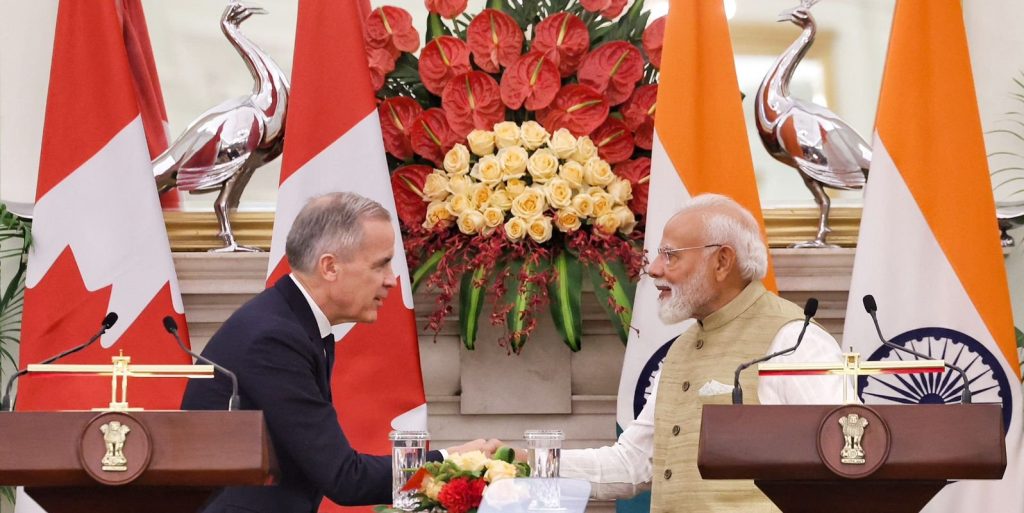
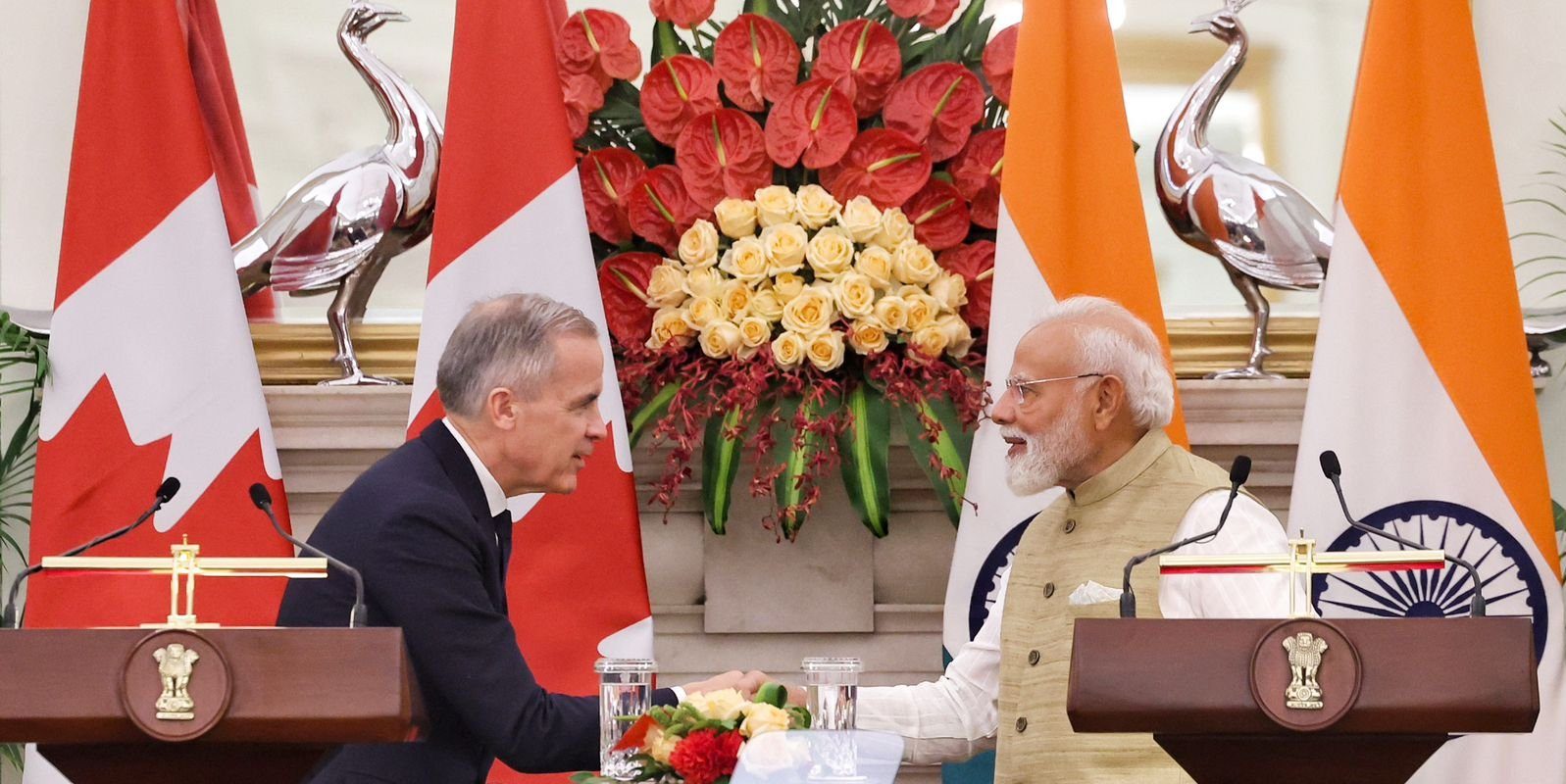
Prime Minister Mark Carney, left, and Indian Prime Minister Narendra Modi. With India, what had been framed as a serious sovereign breach was suddenly repositioned as an irritant best managed quietly in the service of trade diversification and export development, writes Bhagwant Sandhu. Photograph courtesy of X/NarendraModi
Wednesday, March 11, 2026